
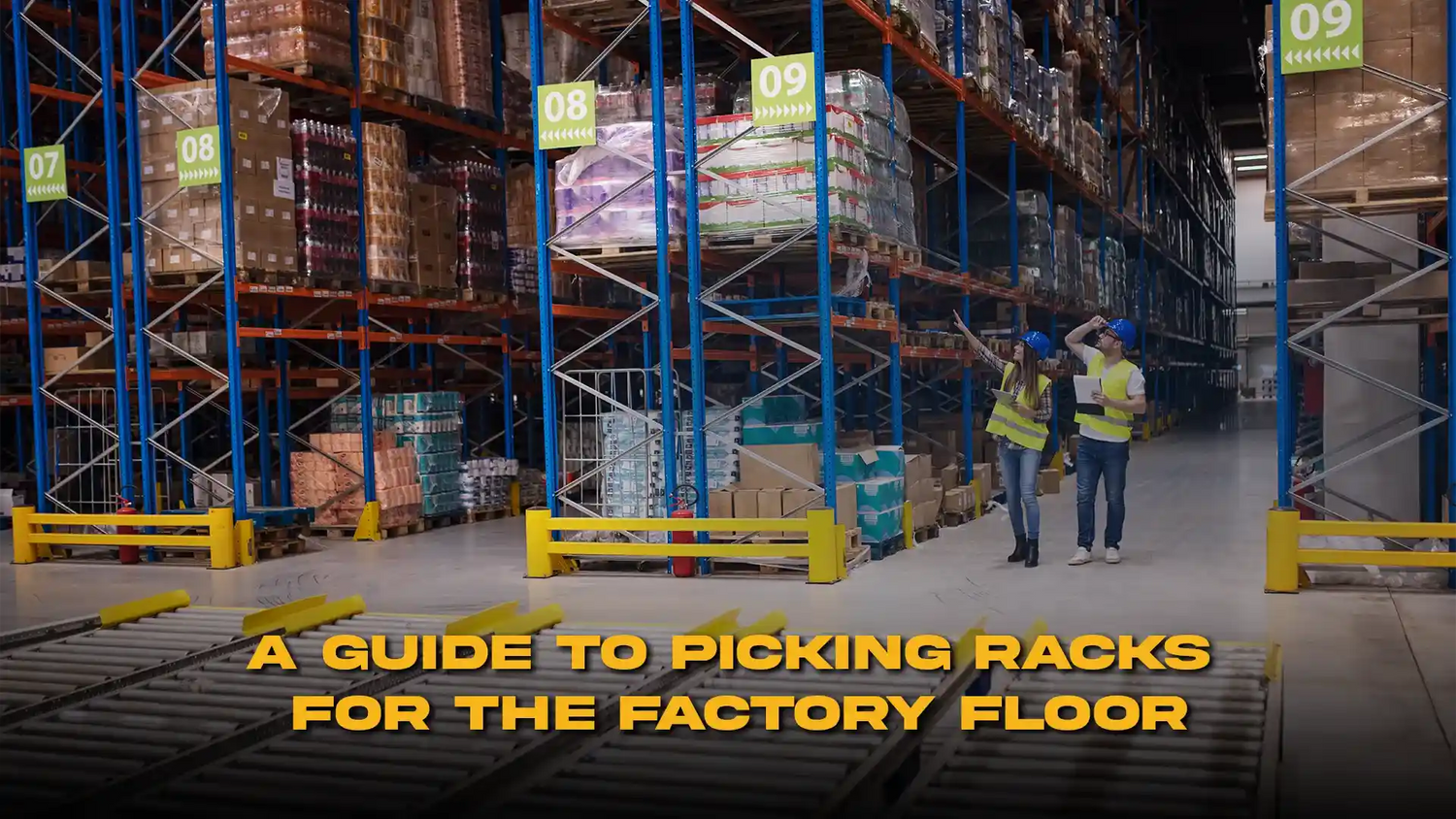
Walk into any busy production facility in 2026 and the air is thick with the smell of ozone, the rhythmic thumping of heavy presses, and the invisible hum of millions of data points flying through the air. This is the world of the Industrial Internet of Things (IIoT), and man, it is a tough place for a computer to live! If a standard office server is placed next to a welding robot, that poor thing is going to have a very short and very sad life. It’s like sending a librarian to go win a heavyweight boxing match the environment is just too brutal.
Choosing the best server racks for industrial iot isn't just about finding a metal box; it’s about finding a survival pod. These machines are the brains of the operation, controlling everything from assembly lines to safety sensors. If the brain gets a "headache" because of dust or heat, the whole body of the factory stops moving. And in this business, a stopped line is a nightmare that keeps managers up at night.

The Silent Killers: Dust, Grime, and Invisible Static
One of the biggest bullies on the factory floor is actually tiny. Dust. In a massive storage facility, those "dust bunnies" are more like dust monsters, and they love to clog up server fans. This is why dustproof server cabinets for warehouses are becoming the unsung heroes of the supply chain. These cabinets use specialized gaskets and filters to keep the grit out while letting the cool air in. It is a constant battle, but a necessary one to keep those servers breathing easy while they track thousands of packages every minute.
"Industrial environments are ten times more likely to cause hardware failure due to particulate matter compared to office settings," says a recent 2026 report on infrastructure reliability. That is a scary stat! It makes you realize that heavy duty enclosures for harsh environments are more like insurance policies than just equipment. You’re protecting the heart of the company from a million tiny invaders that want to short-circuit your success.
Protecting the Gateways from the Noise
But there is another enemy you can’t even see: electromagnetic interference, or EMI. When giant motors and power cables are everywhere, they create a lot of "electronic noise" that can make data go haywire. That’s why EMI shielded enclosures for manufacturing are so cool. They act like a Faraday cage, wrapping sensitive gear in a protective layer that keeps the outside noise out and the internal signals clean. It’s the digital version of noise-canceling headphones, and it's a total lifesaver for keeping a network from "stuttering."
Think of IIoT gateways as the translators of the factory. They take raw signals from the machines and turn them into something the cloud can understand. Because these gateways are often small, people forget they need protection too. Protecting IIoT gateways from electrical noise is a huge focus this year. If the translator gets confused by a nearby power surge, the whole conversation between the floor and the office breaks down. Putting these gateways inside a rugged little home ensures they can "hear" the machines clearly without any static getting in the way.

Standing Tall in the Chaos: NEMA Standards
If anyone really wants to know if a rack is tough enough, they look for the NEMA rating. These NEMA rated racks for smart factories are built to handle specific levels of abuse. Whether it’s dripping oil, splashing water, or just a whole lot of vibrating machinery, a NEMA-rated enclosure is like a promise that the gear inside is safe. You wouldn't go out in a thunderstorm without a raincoat, so don't put servers out there without a NEMA-rated shell.
These NEMA rated racks for smart factories come in different levels. NEMA 12 is great for indoor dust and oil drips, while NEMA 4X is for when things get really wet and wild. It gives everyone a bit of peace of mind when the environment gets a little chaotic. According to a 2025 tech survey, "over 60% of industrial downtime could be traced back to environmental factors affecting unprotected hardware." That's a huge number! It shows that being a bit over-prepared with heavy duty enclosures for harsh environments is actually the smartest way to save money in the long run.
When the Edge Goes Outdoors
Sometimes, the "factory" isn't even inside a building. We see more and more gear being moved to loading docks, outdoor storage yards, or even remote agricultural sites. This brings a whole new set of bullies: rain, snow, and salty air. This is where corrosion resistant outdoor telecom boxes step into the spotlight. Made from materials like stainless steel or specialized aluminum, these boxes don't care if it’s raining or if they’re near the ocean.
A rusted box is a leaky box, and a leaky box is a dead server. Utilizing corrosion resistant outdoor telecom boxes ensures that the physical barrier stays strong for decades, not just a few seasons. It’s about building something that lasts as long as the company itself. When a technician doesn't have to worry about the box falling apart, they can focus on the much more important job of keeping the data flowing.
High Performance in Tight Spaces
In 2026, the "Edge" is getting closer to the machines every day. We’re seeing ruggedized network enclosures for industrial automation being installed right onto the side of assembly robots or even inside heavy equipment. The line between "machine" and "computer" is basically disappearing. To make this work, the housing has to be tougher than ever.

Thermal Management: The Heat Is On
Factories are hot. Between the machines running and the sun beating down on a metal roof, the ambient temperature can get pretty wild. If a server gets too hot, it slows down to save itself this is called "throttling" and suddenly the real-time data isn't so real-time anymore. Many ruggedized network enclosures for industrial automation now come with their own built-in air conditioning units or heat exchangers. It’s a bit funny to see a server cabinet with a tiny AC on the side, but man, it works like a charm!
By keeping the internal temperature steady while the factory floor is pushing 95 degrees, you ensure that the hardware stays in its "happy place." When the tech is comfortable, it works harder and lasts much longer. It’s just like people; nobody does their best work when they're sweating through their shirt! This is a core part of finding the best server racks for industrial iot, you aren't just buying a cabinet; you're buying a controlled environment.
Wrapping Up the Rugged Journey
At the end of the day, the industrial floor is a beautiful place of creation, but it’s a total nightmare for sensitive electronics. By being smart about things like dustproof server cabinets for warehouses and ensuring you have the right EMI shielded enclosures for manufacturing, you are making sure the digital brain stays safe and sound. It’s about being prepared for the dust, the heat, and the "electronic static" of the modern age.
"Don't just throw your gear out there and hope for the best," says a veteran facility manager we chatted with recently. "Give it the home it deserves." A happy server is a quiet server, and a quiet server means a factory that keeps on humming along without a hitch. It’s a win-win for everyone involved.


Leave a comment
This site is protected by hCaptcha and the hCaptcha Privacy Policy and Terms of Service apply.