
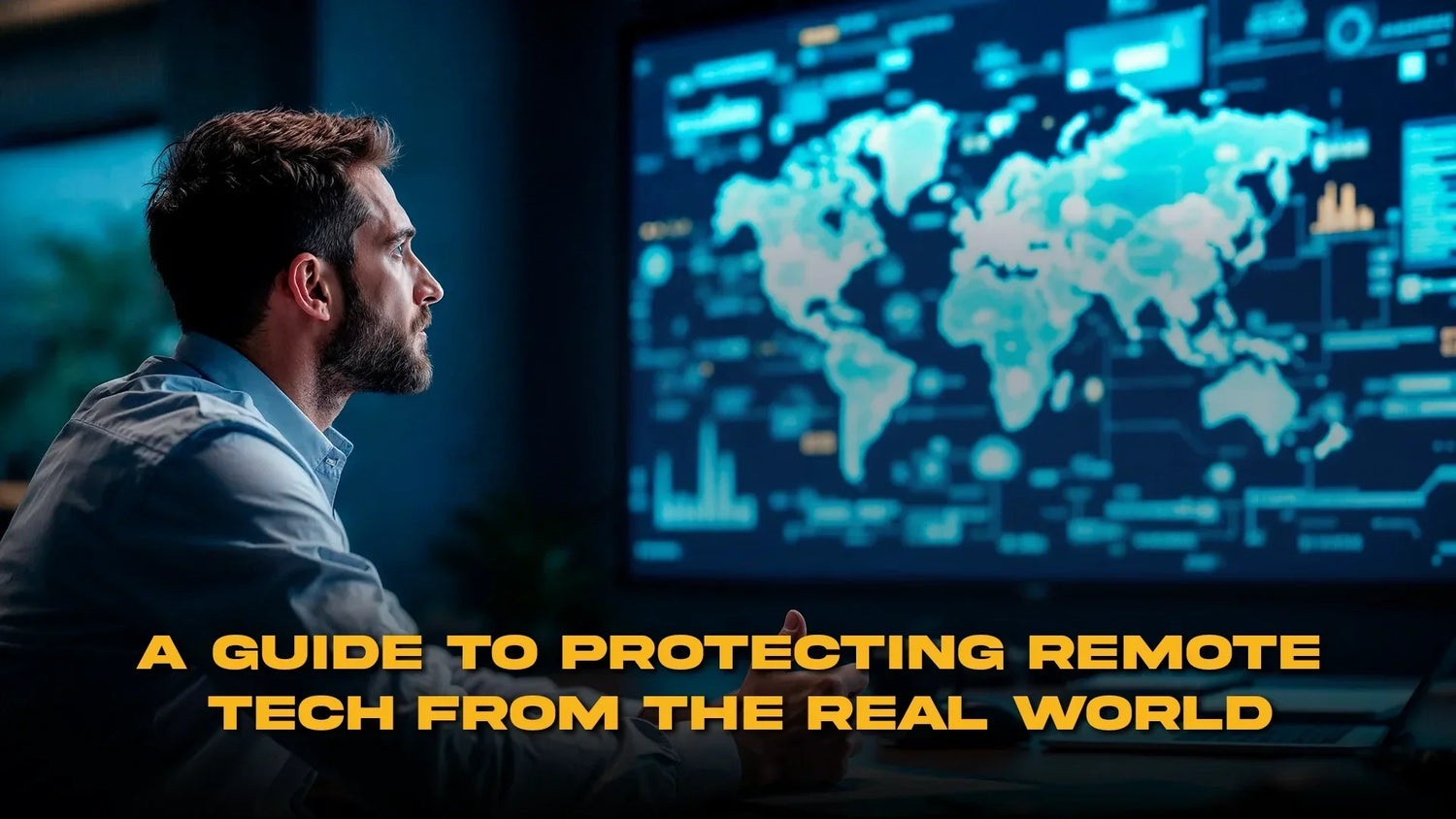
The digital world is moving out of the safe, air conditioned embrace of giant data centers and heading straight into the wild. Whether it is a 5G node sitting on a lonely street corner or a server processing AI data at a remote oil rig, the "Edge" is where the action is happening in 2026. But here is the thing the world can be a pretty rough place for a lonely metal box filled with expensive silicon. Between curious raccoons, harsh weather, and people with bad intentions, keeping this gear safe is becoming a bit of a high stakes game of hide and seek.
When talking about physical security standards for edge data centers, the focus isn't just on digital firewalls anymore. It is about heavy steel, smart sensors, and making sure that the only thing touching the servers is the authorized technician. It feels a bit like building a modern castle for a digital king, where the moat is made of sensors and the gate is locked with a fingerprint.

The Wild Frontier of Distributed IT
Think of distributed IT nodes like little outposts in a frontier land. They are out there all alone, doing the heavy lifting so our phones stay fast and our smart cities stay smart. Because these locations are often unstaffed, they are sitting ducks for anyone with a crowbar and too much time on their hands. This is why protecting edge infrastructure from vandalism is the top priority for network managers this year. It is heart breaking to see a beautiful piece of technology ruined by a simple act of boredom or malice, but that is the reality we are living in.
To fight back, the industry is moving toward vandal proof network cabinet features that make these enclosures nearly impossible to crack. We are talking about internal hinges that can't be sawn off, recessed doors that don't give any leverage for a pry bar, and coatings that make graffiti wash right off. It is about sending a clear message: "Move along, there is nothing for you here."
The Rise of the Smart Lock
The old fashioned padlock is officially a relic of the past. In a world where everything is connected, your lock should be just as smart as the server it is protecting. We are seeing a massive shift toward smart locking mechanisms for telecom cabinets that don't even use a physical key. Instead, a technician uses a secure app on their phone, which communicates with the cabinet via an encrypted Bluetooth or NFC signal.
This is a total game changer because it eliminates the "lost key" nightmare. If a key is lost, you have to re key every cabinet in the fleet, which is a massive headache and super expensive. With smart locks, access can be granted or revoked in a heartbeat from a central office. It is a much more elegant and friendly way to manage a huge network of remote sites without losing sleep over who has a spare key hidden under a rock.

Beyond the Door: Layered Defense Strategies
A good defense is like a delicious onion it has layers that make you cry if you try to peel them back without permission. This concept of multi layer security for distributed IT nodes is how the pros keep things running 24/7. The first layer is the physical shell, the second is the smart lock, and the third is a whole nervous system of sensors that are always watching.
Imagine a cabinet sitting in a remote parking lot. If someone so much as taps on the side of it, the system knows. If the door is opened at an unusual hour, an alert goes out immediately. This kind of remote server rack tamper detection acts as a silent alarm that can trigger cameras, sirens, or even a polite automated voice telling the intruder that the police are already on their way. It turns a passive box into an active participant in its own defense.
Watching the Environment
But humans aren't the only threat. Sometimes the environment itself is the bully. A leak in the roof, a failing cooling fan, or a sudden spike in humidity can do just as much damage as a thief. That is why environmental monitoring sensors for remote sites are becoming a standard part of every build. These little gadgets are like the "check engine" light for your network cabinet. They monitor everything from smoke and water to vibration and airflow, ensuring that the hardware stays happy and healthy in its little home.
It is a bit like being a worried parent. You want to know that your "kid" is at the right temperature and breathing okay, even if you are hundreds of miles away. When a sensor detects that the internal temperature is creeping up, it can automatically boost the fan speed or send a ticket to the maintenance crew before a meltdown actually happens.
Who Goes There? The Biometric Revolution
In high security zones, even a smartphone app might not be enough. For the truly sensitive stuff, we are seeing the adoption of biometric access control for outdoor enclosures. Imagine a cabinet that only opens if it recognizes your thumbprint or the unique pattern of your iris. It sounds like something out of a spy movie, but it is becoming a practical reality for the physical security standards for edge data centers.
Biometrics provide a level of "identity certainty" that you just can't get with a password or a card. You can share a password, and you can lose a card, but it is much harder to share a thumbprint! This ensures that only the exact person who is supposed to be there is the one getting inside. It is the ultimate "Keep Out" sign for anyone else.
The Problem of False Alarms
Of course, no system is perfect. Sometimes a heavy truck driving by can trigger a vibration sensor, leading to a "false positive" on the remote server rack tamper detection logs. This is where AI is starting to help. By analyzing the patterns of the vibrations, the system can learn to ignore the "normal" sounds of the city and only freak out when it detects the specific rhythm of a hammer or a drill. We're getting closer to a world where the machines can actually tell the difference between a busy street and a break in.

Why Consistency Matters Across the Network
When you have a thousand sites spread across five states, you can't have a different security setup for every one. You need a standard. Implementing multi layer security for distributed IT nodes across the entire fleet makes training easier and ensures there are no "weak links" in the chain. If every cabinet uses the same smart locking mechanisms for telecom cabinets, the technicians always know what to expect and the security team has a single dashboard to watch over the whole kingdom.
Sturdx understands this need for consistency and ruggedness. By building these security features directly into the DNA of the cabinets, they make it easy for businesses to deploy fast without worrying about the "what ifs." It is about providing a solid foundation so the engineers can focus on the software while the cabinet handles the heavy lifting of physical protection.
The Future of the Edge
As we move deeper into the 2026 digital landscape, the Edge is only going to get busier. We will see more sensors, tougher shells, and even smarter AI guarding our data. The days of the "vulnerable box" are ending, replaced by the era of the "intelligent fortress." By sticking to physical security standards for edge data centers, we are ensuring that the future of the internet is not just fast, but incredibly resilient.
It’s a big, wild world out there, but our tech is getting tougher every day. Whether it’s through biometric access control for outdoor enclosures or just some really thick steel, we are making sure that the digital heart of our society keeps beating, no matter what. So, next time you see a metal cabinet on the side of the road, give it a little nod, it’s doing a lot of hard work to keep your world connected, and it’s probably a lot tougher than it looks!

Dejar un comentario
Este sitio está protegido por hCaptcha y se aplican la Política de privacidad de hCaptcha y los Términos del servicio.