
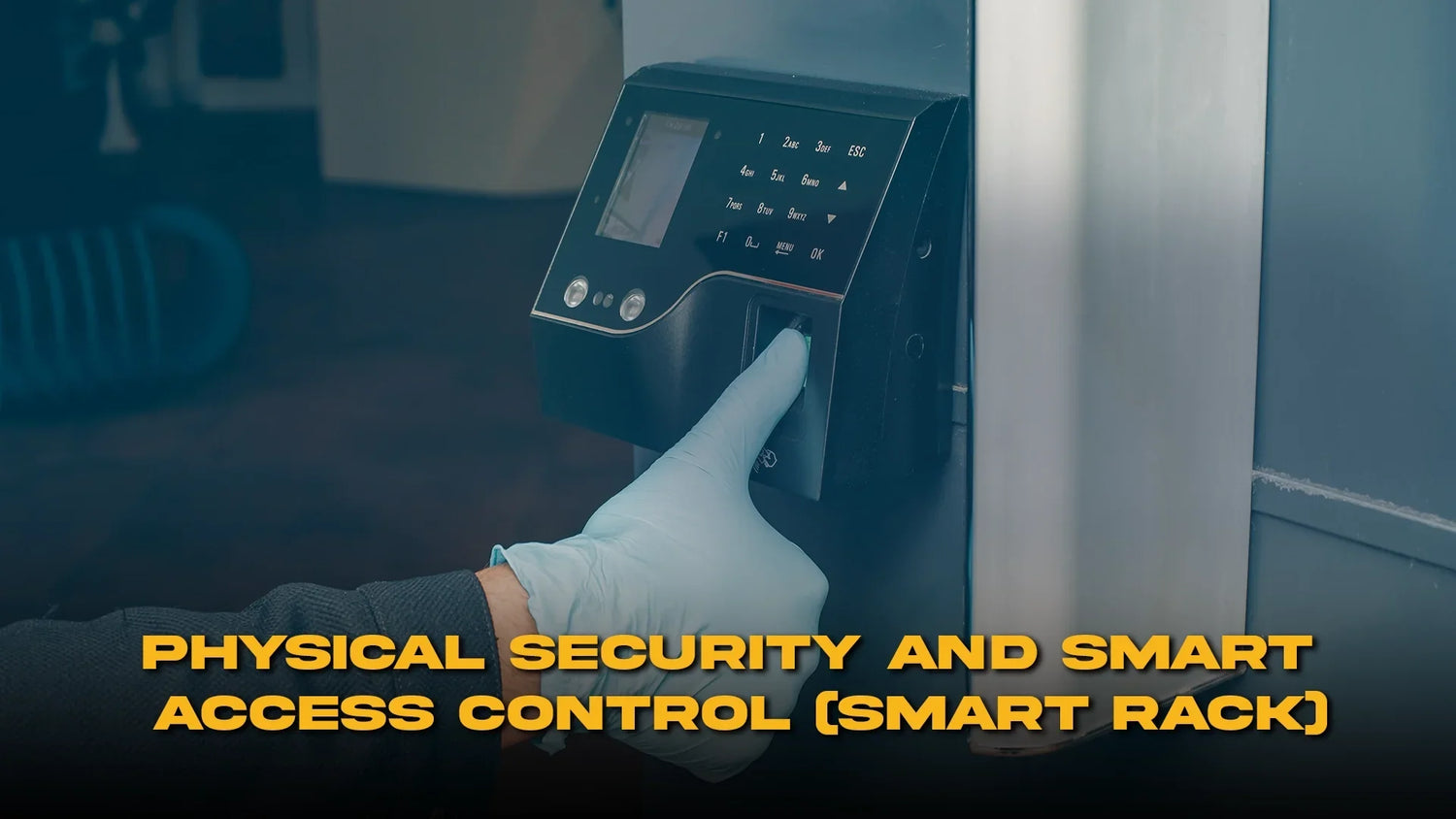
While the world obsesses over firewalls, encryption, and the latest malware threats, a silent vulnerability often sits unprotected in the corner of the office or at a lonely remote site. The digital world is ultimately housed in a physical one, and if a malicious actor can touch a server, they essentially own it. In 2026, the concept of physical layer cybersecurity for IT infrastructure has moved from a "nice to have" luxury to an absolute necessity. It is no longer enough to just lock the front door of the building; the racks themselves must become intelligent, resilient guardians of the data they hold. This shift toward "Smart Racks" represents a massive leap in how businesses protect their most valuable intellectual property from the most direct threat: human hands.
The Vulnerability of the Tangible
It is a chilling thought, but many high tech companies spend millions on software defense while leaving their server room keys under a metaphorical doormat. A simple USB drive or a misplaced console cable can bypass the strongest digital encryption if someone gains physical proximity. This is why physical security for server racks is becoming a primary focus for IT directors across the country. We aren't just talking about a simple padlock anymore. Modern threats require modern responses, and the "dumb" metal box is being replaced by sophisticated, connected systems that know exactly who is opening them and when.

Metaphorically speaking, your server rack is the ribcage protecting the digital heart of your business. If that ribcage is weak, the heart is exposed. In remote locations, like cell towers, warehouse basements, or rural utility sites, this risk is even higher. There is nobody around to hear a crowbar prying open a cheap door. Implementing best practices for physical security in remote IT locations means moving away from traditional keys, which are easily lost or duplicated, and toward encrypted, trackable digital access. It’s about creating a "zero trust" environment for the physical world, just as we do for the network world.
The Dawn of the Smart Rack
The transition to smart lock network cabinets is changing the game for facility managers. These locks don't just open; they communicate. Every time a door is unlatched, a digital breadcrumb is created. Who was it? What time did they arrive? How long did they stay? This level of accountability is a powerful deterrent against "inside jobs" and accidental human error. If a technician forgets to close a door properly, the system knows immediately. It’s like having a security guard who never sleeps and has a perfect memory, standing watch over every single rack in the fleet.
Sturdx leads the field by developing advanced locking systems which users can control through a centralized dashboard from distant locations. Organizations which implement server cabinet access control systems create a protective barrier which secures their confidential information. The systems include biometric scanners and RFID card readers and digital codes which technicians receive as one time use access keys on their smartphones. People today no longer need to carry bulky key rings with noisy keys because smartphones now provide a modern convenient solution.
Monitoring the Invisible: Sensors and Alerts
A lock functions as a single component within a security framework. Total security requires security systems which include "eyes and ears" for monitoring activities inside the cabinet space. Remote monitoring systems use cabinet door sensors to provide security alerts to operators. The sensors can identify door openings and detect rack movement through vibrations and monitor temperature increases which can indicate cooling system breakdowns or deliberate attacks. In 2026, data is more valuable than gold, and thieves know this. The anti theft server rack features built into modern enclosures, such as internal hinges that cannot be sawn off and heavy gauge steel construction, are the physical armor required to survive in a high risk world.

Imagine a scenario where a sensor detects an unauthorized entry attempt at 3:00 AM at a remote substation. Before the intruder can even reach for a cable, the system has already sent a high priority alert to the security team, activated a local siren, and triggered a nearby camera to start recording. This proactive defense is the gold standard for preventing unauthorized physical access to servers. It turns a passive piece of furniture into an active participant in the company's defense strategy. This is the essence of physical layer cybersecurity for IT infrastructure: making the physical hardware just as smart as the software it runs.
Guarding the Eyes: Security for Surveillance Gear
While we often focus on servers, the hardware that records the security footage itself is a high value target. If a thief breaks into a building, their first goal is often to find and destroy the DVR or NVR so there is no record of their crime. This is why secure DVR enclosures for surveillance are becoming a standard requirement for retail and commercial properties. These specialized boxes are designed to be tucked away in tight spaces, often bolted to a wall or a floor, providing a "black box" of protection for the video evidence.
Sturdx understands that these smaller cabinets are just as critical as the massive server racks in a data center. By using smart lock network cabinets for surveillance storage, a business ensures that only authorized personnel can touch the footage. It is a bit of a poetic irony: the security system needs its own security system. Without a ruggedized and locked home, even the best 4K camera is useless if the recording device is snatched off a shelf. This layered approach, protecting the protectors, is a hallmark of modern security thinking.
Best Practices for a Distributed World
As businesses move toward "Edge Computing," the number of remote IT sites is exploding. Managing these scattered assets is a nightmare without centralized server cabinet access control systems. One of the best practices for physical security in remote IT locations is the implementation of "auditable access." Every single entry into a cabinet should be logged and tied to a specific individual. This eliminates the "it wasn't me" excuse and forces a higher level of professionalism from third party contractors and maintenance crews.

Furthermore, the integration of remote monitoring for cabinet door sensors allows for "real time situational awareness." If a door is left open too long, an alert can be escalated. If multiple racks in a region report vibration at the same time, it could indicate a natural disaster or a coordinated attack. This big picture view is only possible when the physical hardware is connected to the network. It’s a bit of a paradox, isn't it? To protect the network, we must put the physical cabinet on the network.
The Human Element and Future Trends
We have to admit, as humans, we are often the weakest link. We lose keys, we forget to lock doors, and we sometimes take shortcuts when we're in a hurry. The beauty of modern physical security for server racks is that it removes much of the "human error" from the equation. Auto locking doors and forced authentication systems ensure that the rules are followed every single time, without exception. This isn't about lack of trust; it's about providing a framework that makes it impossible to fail.
Looking toward the future, we might even see racks that use AI to recognize the face of an authorized technician as they walk up to the door. We will certainly see more anti theft server rack features that are integrated directly into the building's overall security fabric. The goal is a seamless environment where the server cabinet is just another node in a massive, intelligent security web.
Securing the Foundation
In the end, the most sophisticated software in the world won't save you if someone can simply pull the plug or walk away with a hard drive. By focusing on preventing unauthorized physical access to servers, businesses are protecting the foundation upon which everything else is built. Whether it is through high tech secure DVR enclosures for surveillance or heavy duty smart locks, the message is clear: the physical world matters more than ever.
The investment in these systems pays for itself the very first time an unauthorized entry is blocked or a forgotten door is remotely detected. In the high stakes game of IT management, it's better to be the one holding the smart key than the one explaining why the data is gone. The "Smart Rack" isn't just a piece of furniture; it's a vital member of the security team, and it's time we treated it that way.


Leave a comment
This site is protected by hCaptcha and the hCaptcha Privacy Policy and Terms of Service apply.